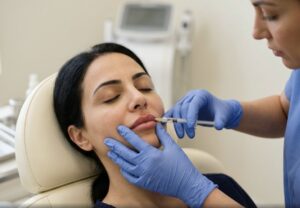
 Understanding Laser Facial Skin Resurfacing
Laser facial skin resurfacing is a dermatological procedure designed to improve the appearance and texture of the skin. This technique uses focused laser light to remove the outer layers of the skin, promoting the regeneration of healthier, younger-looking skin beneath. It is commonly employed to address various skin concerns, including fine lines, wrinkles, acne scars, and uneven skin tone.
The precision of laser technology allows practitioners to target specific areas, minimizing damage to surrounding tissues. As a result, patients often experience significant improvements in skin quality with minimal recovery time compared to traditional surgical methods. This makes laser resurfacing an appealing option for those seeking effective skin rejuvenation without the extended downtime associated with more invasive procedures.
The Science Behind Laser Resurfacing
At the core of laser resurfacing lies a process known as controlled thermal injury. The laser emits high-energy light that is absorbed by water in the skin’s cells, leading to rapid evaporation. This creates precise wounds, triggering the body’s natural healing response. As the skin heals, collagen and elastin production increases, two vital proteins that help maintain skin elasticity and firmness. This process not only improves the skin’s surface appearance but also enhances its overall structure, making it more resilient to environmental stressors.
Different types of lasers are used in resurfacing procedures, including ablative and non-ablative lasers. Ablative lasers, such as carbon dioxide (CO2) and erbium lasers, remove the outer layers of skin, while non-ablative lasers penetrate deeper without compromising the surface. Each type serves distinct skin concerns and healing profiles. For instance, while CO2 lasers are often recommended for deeper wrinkles and severe sun damage, erbium lasers are typically favored for milder skin issues due to their quicker recovery times.
Benefits of Laser Facial Skin Resurfacing
The benefits of laser facial skin resurfacing are substantial and varied. Many patients report:
- Reduction in the appearance of fine lines and wrinkles.
- Improved skin tone and texture.
- Minimized appearance of acne scars and other blemishes.
- Increased skin tightness and firmness.
- Enhanced collagen production over time.
Moreover, this procedure encourages a smoother complexion and healthier skin overall. Many individuals also appreciate that results can be seen relatively quickly, with significant improvements often visible within a few weeks post-treatment. The longevity of these results can vary depending on skin type and care, but many patients enjoy the benefits for years, especially when combined with a diligent skincare routine and sun protection.
In addition to aesthetic enhancements, laser resurfacing can also have psychological benefits. Patients often report increased self-confidence and satisfaction with their appearance following the procedure. This boost in self-esteem can lead to a more active social life and a willingness to engage in new experiences, underscoring the profound impact that skin health can have on overall well-being. As technology continues to advance, the safety and efficacy of laser resurfacing techniques are likely to improve, making this an exciting area of dermatological innovation.
Preparing for Your Laser Resurfacing Procedure
Preparation is key to ensuring a successful laser resurfacing experience. Patients should take several steps to get ready for the procedure, starting with an initial consultation with a qualified practitioner.
Initial Consultation and Assessment
This assessment also serves as an opportunity for the practitioner to evaluate the suitability of laser resurfacing based on the individual’s skin characteristics and desired outcomes. Not all patients may be ideal candidates for this procedure, and alternatives may be discussed if necessary.
Pre-Procedure Care and Guidelines
Leading up to the procedure, patients are advised to follow specific guidelines to prepare their skin adequately. This can include:
- Discontinuing the use of retinoids and harsh skin products at least one week before the treatment.
- Applying sunscreen daily and avoiding direct sun exposure to minimize skin sensitivity.
- Staying well-hydrated and following a balanced diet to promote skin health.
Following these guidelines will help optimize the results and healing process after the treatment.
The Laser Resurfacing Procedure: What to Expect
Understanding the procedure itself can alleviate anxiety and prepare patients for what lies ahead. The laser resurfacing procedure typically follows a step-by-step approach to ensure safety and efficacy.
Step-by-Step Process of Laser Resurfacing
On the day of the treatment, patients will arrive at the clinic where a topical anesthetic is applied to numb the treatment area. Once adequately numbed, the practitioner will position the laser device close to the skin and create a grid-like pattern across the targeted areas. The laser will then be activated, delivering energy precisely and evenly until the desired treatment results are achieved.
Throughout the procedure, the team will monitor the patient’s comfort levels and provide support as needed. Depending on the extent of the treatment, patients may feel a slight warming sensation.
Duration and Anesthesia
The duration of the laser resurfacing procedure may vary based on the size of the area being treated. Generally, it can take anywhere from 30 minutes to two hours. For more extensive procedures, deeper anesthesia such as sedation may be used to enhance patient comfort.
Following the procedure, patients typically experience some redness and swelling akin to a mild sunburn. This is a natural part of the healing process.
Post-Procedure Care and Recovery
Post-procedure care is crucial for achieving optimal results and ensuring a smooth recovery. Patients need to follow the guidelines provided by their practitioner closely.
Immediate Aftercare Measures
In the days following the procedure, patients should:
- Keep the treated area clean and moisturized as directed.
- Avoid sun exposure and use sunscreen diligently to protect the sensitive skin.
- Refrain from using any irritants, such as exfoliants or alcohol-based products.
Most patients experience redness and some peeling, which is a normal part of the healing process. Over-the-counter pain medications can be taken for discomfort if necessary.
Long-Term Care for Optimal Results
As the skin begins to heal, long-term care becomes essential. Continued use of sunscreen and moisturizers is recommended to maintain skin health. Patients should also consider follow-up treatments or skin care plans to enhance and prolong the results of their laser resurfacing.
An ongoing consultation with the practitioner can further personalize the skincare regimen suited to each individual’s needs.
Potential Risks and Complications
While laser facial skin resurfacing is generally safe, it is essential to be aware of potential risks and complications. Understanding these aspects can help patients make informed decisions regarding their treatment.
Common Side Effects
Common side effects may include:
- Redness and swelling of the treated area.
- Itching or irritation as the skin starts to heal.
- Minor crusting or peeling.
- Changes in skin pigmentation, particularly for individuals with darker skin tones.
Most of these effects are temporary, resolving within a few days to weeks as the skin heals.
How to Handle Complications
In rare cases, complications such as infections or prolonged skin redness may occur. In such situations, reaching out to the practitioner is paramount. They may prescribe medications, such as antibiotics, or recommend specific treatments to address these issues. Prompt intervention can significantly mitigate any long-term effects.
By understanding potential risks and maintaining open communication with healthcare providers, patients can greatly enhance their laser resurfacing experience.
Frequently Asked Questions
1. What is laser facial skin resurfacing and how does it improve the skin?
Laser facial skin resurfacing is a dermatological procedure that uses focused laser light to remove the outer layers of damaged skin, stimulating the growth of healthier, younger-looking skin underneath. The laser energy is absorbed by water in the skin’s cells, creating controlled thermal injuries that trigger the body’s natural healing response. As the skin repairs itself, collagen and elastin production increases, improving firmness, elasticity, and overall skin structure. The result is a reduction in fine lines, wrinkles, acne scars, and uneven tone with significantly less downtime than traditional surgical approaches.
2. What is the difference between ablative and non-ablative laser resurfacing at Inspire Med Spa in Lyndhurst?
Ablative lasers such as CO2 and erbium remove the outer layers of skin directly, making them highly effective for deeper wrinkles, significant sun damage, and more pronounced scarring. They tend to deliver more dramatic results but require a longer recovery period. Non-ablative lasers work beneath the skin’s surface without disturbing the outer layer, offering a gentler approach with less downtime and a more gradual improvement in skin quality. Inspire Med Spa offers LaseMD Ultra, a non-ablative fractional laser well-suited for patients who want meaningful rejuvenation with minimal disruption to their daily schedule.
3. Who is a good candidate for laser skin resurfacing in Lyndhurst, NJ?
Ideal candidates are those experiencing fine lines, wrinkles, uneven skin tone, acne scarring, sun damage, or general skin texture concerns who prefer a non-surgical path to rejuvenation. A thorough consultation with Christine Castelluber, FNP-BC, FNP-C, or Dr. Gisele Castelluber at Inspire Med Spa is essential to determine suitability, as factors such as skin tone, medical history, and treatment goals all play a role. Patients with darker skin tones require careful assessment, as changes in pigmentation can be a potential side effect with certain laser types. Alternatives will be discussed if laser resurfacing is not the most appropriate fit.
4. How should I prepare for laser skin resurfacing at Inspire Med Spa?
In the week leading up to your appointment, discontinue the use of retinoids, exfoliants, and other active skincare products that could increase skin sensitivity. Apply broad-spectrum sunscreen daily and avoid prolonged sun exposure in the weeks beforehand to reduce the risk of complications. Staying well-hydrated and following a balanced diet supports optimal skin health going into the procedure. During your initial consultation, the team at Inspire Med Spa will provide personalized pre-treatment guidelines based on your specific skin type and the laser approach being used.
5. What can I expect during recovery after laser resurfacing in Lyndhurst?
Immediately following the procedure, most patients experience redness and mild swelling similar to a moderate sunburn, which is a normal part of the healing process. Some peeling, itching, and minor crusting may occur in the days that follow as the skin regenerates. It is important to keep the treated area clean and moisturized, avoid sun exposure, and refrain from using any irritating skincare products during recovery. Over-the-counter pain relief can be used for discomfort if needed. Most side effects are temporary, and significant improvements in skin quality typically become visible within a few weeks post-treatment.
6. How do I book a laser skin resurfacing consultation at Inspire Med Spa in Lyndhurst, NJ?
You can schedule a consultation directly with the team at Inspire Med Spa by calling (201) 933-2333, emailing inspiremedspa123@gmail.com, or booking online through their website. The clinic is located at 477 Stuyvesant Ave, Lyndhurst, NJ 07071, and is open Monday and Wednesday from 10:00 AM to 6:00 PM, Tuesday and Thursday from 8:30 AM to 4:00 PM, and every other Saturday from 9:00 AM to 12:00 PM. Under the expert guidance of Dr. Gisele Castelluber and Christine Castelluber, APN, the Inspire Med Spa team takes a personalized approach to help each patient achieve their most confident, radiant skin.
Ready to embrace a refreshed, radiant complexion that reflects your inner vitality? At Inspire Med Spa, we understand that true beauty is more than skin deep. Under the expert guidance of Dr. Gisele Castelluber, with her extensive experience in Brazilian techniques and anti-aging medicine, we’re dedicated to providing personalized care that honors your unique beauty. Take the first step towards natural, authentic enhancements and holistic well-being. Schedule A Consultation today and let us help you reveal the best version of yourself, at any age.