
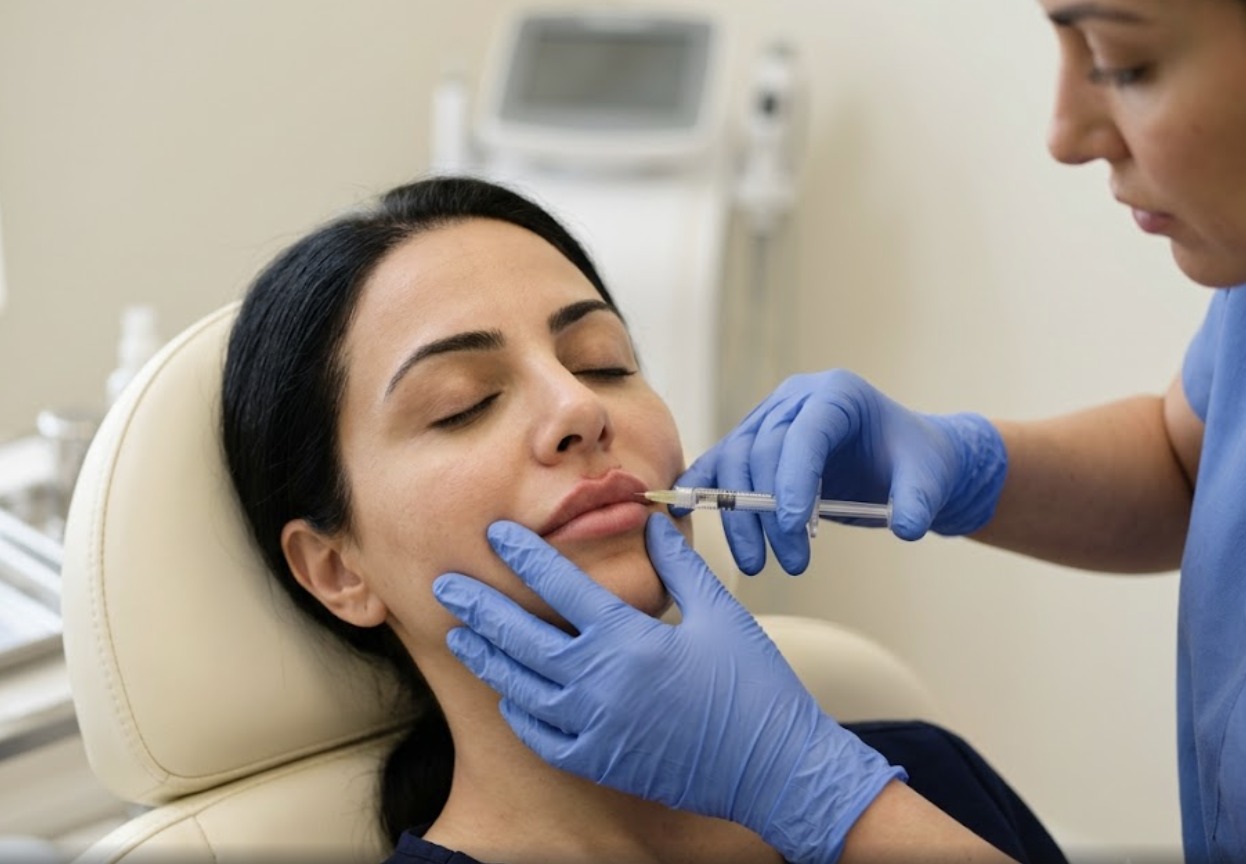
A face can look tired even when you feel rested. Cheeks may appear less defined, lips can lose some of their shape, and folds around the mouth may become more noticeable. These changes are normal, but that does not mean you have to ignore them if they affect how you feel about your appearance.
Dermal Fillers can restore volume in selected facial areas, soften certain wrinkles, and improve facial contours without surgery. The right treatment should leave you looking refreshed, not noticeably altered.
At Inspire Med Spa in Lyndhurst, NJ, filler planning begins with your features, preferences, and comfort level. The goal is to create a balanced result that still feels like you.
What You’ll Learn From This Article
- How dermal fillers add volume and support facial contours
- The differences between Versa, Radiesse, and other filler materials
- Which areas of the face may be treated
- What affects the cost of filler in Lyndhurst
- What happens during an injection appointment
- How long will the results last
- Which side effects and safety concerns deserve attention
- How to decide whether filler or another treatment fits your needs
What Are Dermal Fillers?
A dermal filler is an injectable material placed within or beneath the skin. Depending on the product and injection depth, it may add volume, support soft tissue, soften a fold, or improve the contour of a facial feature.
Facial changes rarely come from one cause. Over time, collagen levels, facial fat, skin quality, bone structure, and soft tissue support can all change. Muscle movement also contributes to certain facial wrinkles.
This is why an injector should assess the face as a whole rather than filling every visible line. A fold around the mouth, for example, may look more noticeable because of volume changes higher in the cheek.
Dermal fillers are also different from plastic surgery. It cannot remove loose skin or create the same degree of lifting as a surgical procedure.
Dermal Filler Versus Dysport
Dermal fillers and Dysport are both injectables, but they address different concerns.
Dysport temporarily reduces selected muscle activity. Providers often use it for expression-related wrinkles, such as frown lines caused by repeated movement.
An injectable filler adds volume or support. It may be considered for the lips, cheeks, chin, jawline, or certain folds around the mouth.
Some treatment plans may include both products, but more treatment is not always better. The choice should reflect what is causing the concern and how much change you want.
Understanding how these injectables differ makes it easier to compare the specific filler materials available.
Types of Dermal Fillers
The term “dermal filler” encompasses several materials. Each type of filler has its own texture, firmness, behavior in the tissue, and intended uses.
A product that works well in one facial area may not suit another. Your provider should consider skin thickness, movement, soft tissue support, and the degree of definition or softness you prefer.
Hyaluronic Acid Fillers
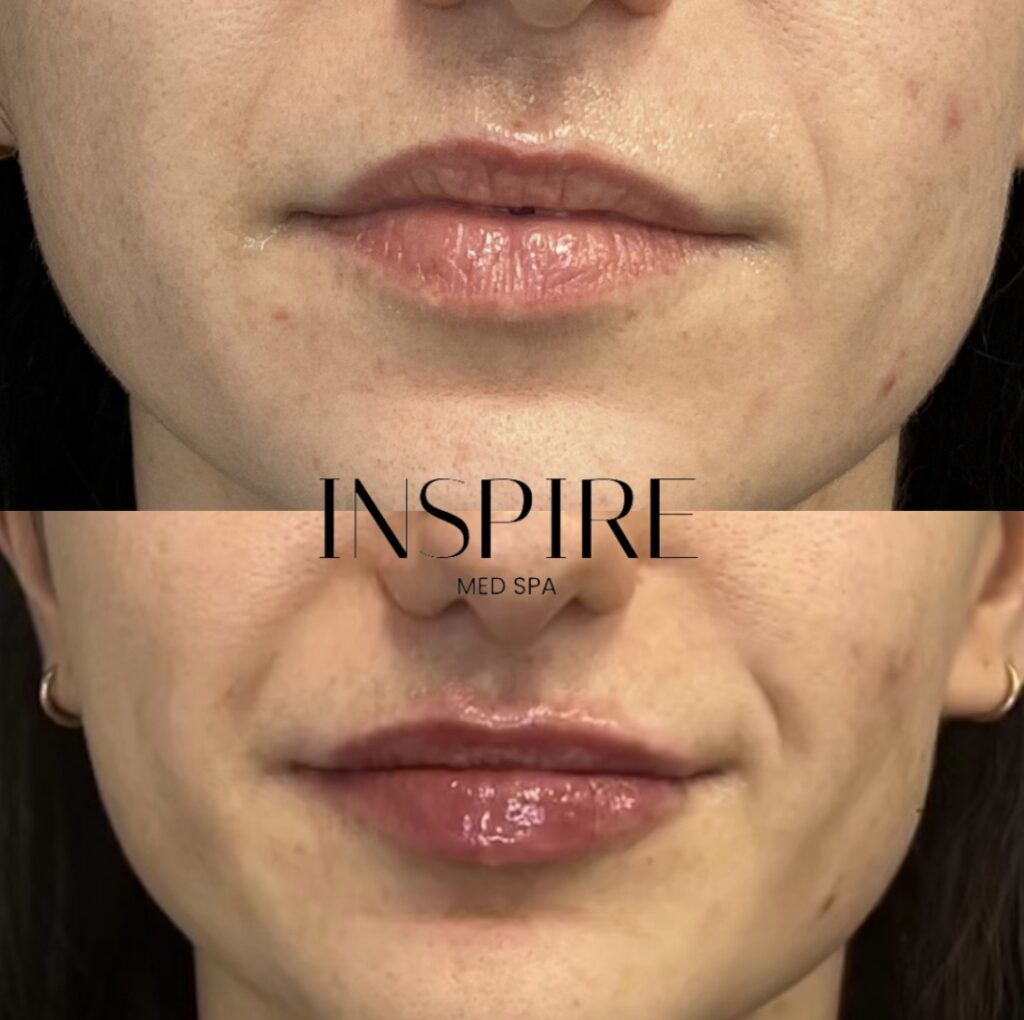
Hyaluronic acid is a substance naturally present in the body. During a dermal filler injection, a smooth gel forms that can add controlled volume and support facial contours.
Providers may use a hyaluronic acid filler for selected concerns involving the lips, cheeks, chin, jawline, under-eye area, or folds around the mouth. The appropriate use depends on the specific product and your anatomy.
Versa, offered at Inspire Med Spa, is a hyaluronic acid filler. Its use may be considered when a treatment area calls for softness, flexibility, or precise volume placement.
A recent medical review of hyaluronic acid fillers discusses their use in facial rejuvenation and notes that results, longevity, and adverse effects can differ across products and treatment areas.
A qualified medical provider may use hyaluronidase to reduce or dissolve many hyaluronic acid fillers when clinically appropriate. Dissolving filler is still a medical procedure, and the response can vary.
Calcium Hydroxylapatite Fillers
Calcium hydroxylapatite, often called CaHA, is another temporary soft tissue filler material.
Radiesse, which Inspire Med Spa offers, is made with calcium hydroxylapatite microspheres suspended in a gel. It can provide immediate structural support and may encourage collagen production as the gel carrier gradually absorbs.
Radiesse is not interchangeable with a hyaluronic acid filler. It has different tissue behavior and cannot be dissolved with hyaluronidase. Careful placement and appropriate product selection are important.
Providers may consider it for areas that need firmer support, but it is not suitable for every part of the face or every patient.
Other Filler Materials
Other types of dermal fillers include poly-L-lactic acid and polymethylmethacrylate. Facial fat transfer is another option, although it is a surgical procedure rather than a standard injectable filler appointment.
A clinical review of facial filler materials describes differences among hyaluronic acid, calcium hydroxylapatite, poly-L-lactic acid, and other materials used for soft tissue support and facial volume.
The longest-lasting filler is not automatically the right one. Product choice should match your anatomy, treatment area, and preferred degree of change.
Those differences become clearer when comparing the two main filler options offered at Inspire Med Spa.
Versa Versus Radiesse
Versa and Radiesse can both improve selected facial contours, but they serve different purposes.
| Consideration | Versa | Radiesse |
| Main material | Hyaluronic acid | Calcium hydroxylapatite |
| General role | Adds controlled volume with a smooth, flexible gel | Adds firmer structural support and may encourage collagen production |
| Possible treatment approach | May suit areas where softness or movement matters | May suit areas where stronger support is appropriate |
| Dissolvability | May be dissolved with hyaluronidase when medically appropriate | Cannot be dissolved with hyaluronidase |
| Selection depends on | Anatomy, skin thickness, movement, goals, and treatment area | Anatomy, tissue support, goals, and treatment area |
Neither filler is better in every situation. One person may benefit from the flexibility hyaluronic acid filler offers. Another may need more structural support.
Filler may not be the best option if the main concern involves muscle movement, skin texture, pigmentation, or significant laxity. Inspire Med Spa may discuss Dysport, threads, Agnes RF, Scarlet SRF, LaseMD Ultra, facials, or another service when those options better match the concern.
Once the filler material has been selected, the next decision is where and how much to treat.
Dermal Filler Treatment Areas
Facial features do not exist in isolation. Changes to one area can affect how nearby contours appear, so treatment planning should consider balance across the face.
Lips and the Area Around the Mouth
Lip filler can be used for more than added size. Treatment may focus on:
- Restoring selected areas of volume
- Defining the lip border
- Improving the balance between the upper and lower lip
- Supporting symmetry
- Softening certain lines around the mouth
Many clients want a subtle result that preserves natural movement and expression. The ideal shape should suit the rest of the face rather than copy a standard look.
Filler may also be considered for nasolabial folds or marionette lines. However, deeper folds can reflect volume changes in the midface, so injecting directly into the fold may not always be the best first step.
A systematic review of hyaluronic acid lip fillers found that these products can improve lip fullness and documented expected reactions, including swelling, tenderness, and bruising.
Cheeks and Midface
Cheek volume can change as facial fat and soft tissue shift. This may make the midface look flatter or allow nearby folds to appear deeper.
A facial filler may restore support in selected areas of the cheek or improve contour. In some cases, treating the midface can soften the appearance of a fold without placing a large amount of product around the mouth.
The goal is not always to create prominent cheekbones. It may simply be to restore proportion and support.
Chin and Jawline
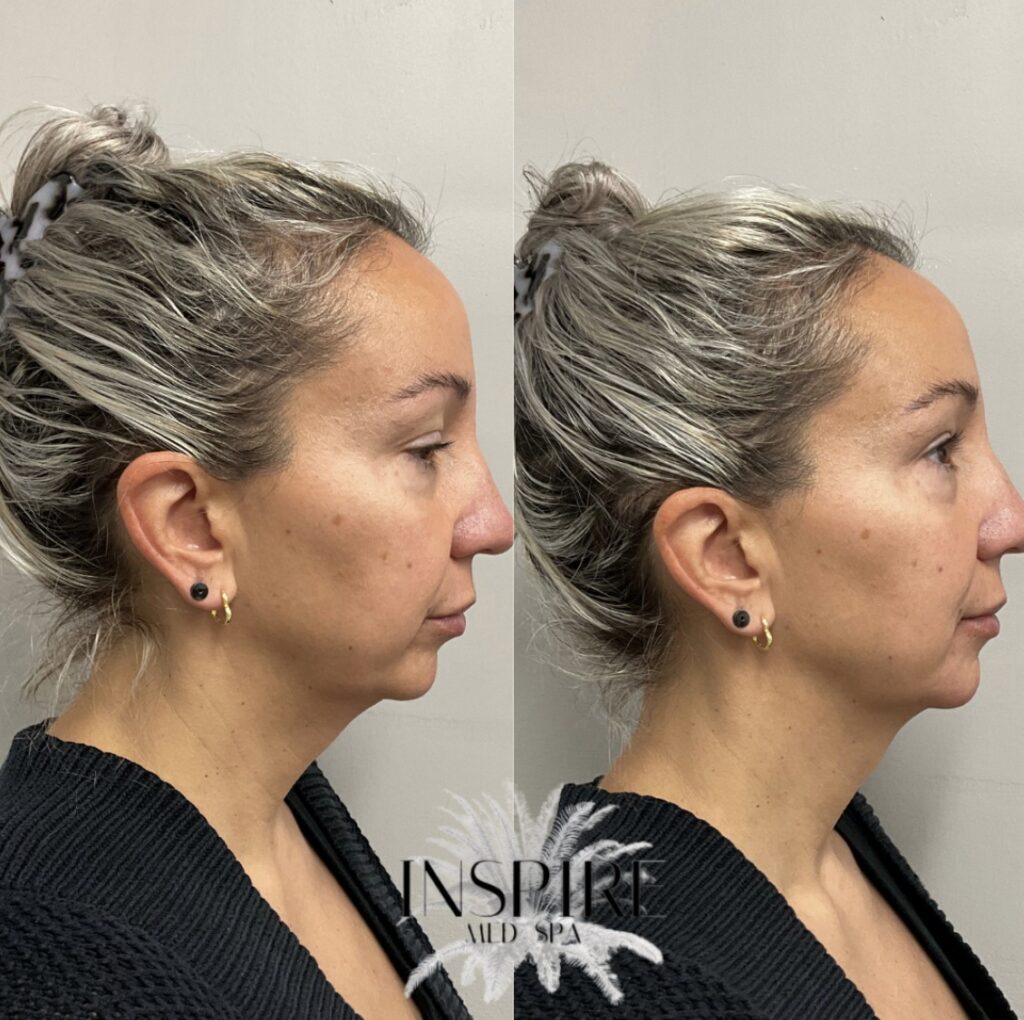
Filler may improve chin projection, profile balance, or selected areas of jawline definition. These treatments require careful assessment of bone structure, facial width, soft tissue, and movement.
A conservative amount can sometimes create a meaningful change in proportion. However, filler has limits when loose skin or tissue descent is the primary concern.
Other Areas
Experienced injectors may also assess the temples, under-eye hollows, acne scars, and other selected areas of depression.
Some areas carry greater technical demands because the skin is thin or important blood vessels are nearby. Under-eye shadows, for example, may result from pigment, fluid retention, skin quality, or anatomy. Filler will not address every cause.
Because product, placement, and treatment area all affect the amount needed, pricing must be based on a personal assessment.
How Much Do Dermal Fillers Cost in Lyndhurst, NJ?
Dermal filler cost varies from person to person. An exact quote depends on more than the name of the treatment area.
Pricing may be influenced by:
- The filler selected
- The amount or number of syringes used
- The size and complexity of the treatment area
- The number of areas addressed
- Whether treatment is completed in one visit or gradually
- The injector’s training and experience
- Follow-up and maintenance needs
Many practices price filler by the syringe, but a single syringe does not produce the same result for everyone. A small amount may be enough to refine a lip border, while restoring facial volume across several areas may require a different plan.
Cost should also reflect the quality of care surrounding the injection. A thorough consultation, authentic product, experienced injector, clear aftercare instructions, and preparation for complications all matter.
Why an Exact Quote Requires a Consultation
Photographs can help explain your concern, but they cannot replace an in-person facial assessment.
Your provider needs to examine your proportions, skin thickness, tissue support, movement, symmetry, and previous treatment history. The consultation should also clarify how subtle or noticeable you want the result to be.
At Inspire Med Spa, treatment planning centers on natural enhancement and personalized care. Current pricing can be discussed once the provider understands your goals and determines which product and amount may be appropriate.
After the plan and cost are clear, knowing what happens during the appointment can make the process feel more comfortable.
What to Expect During a Dermal Filler Appointment

A filler visit should begin with a medical review and an honest conversation about your goals.
Consultation and Facial Assessment
Your provider may ask about:
- Medical conditions and allergies
- Prescription medications and supplements
- Previous fillers, injections, surgery, or dental procedures
- A history of cold sores
- Current illness, skin inflammation, or infection
- Pregnancy or breastfeeding
- Previous reactions to injectable treatments
- Upcoming events and available recovery time
The provider will also evaluate facial movement, proportions, volume, and soft tissue support. This is a good time to explain what you like about your face and what you want to preserve.
Preparation and Injection
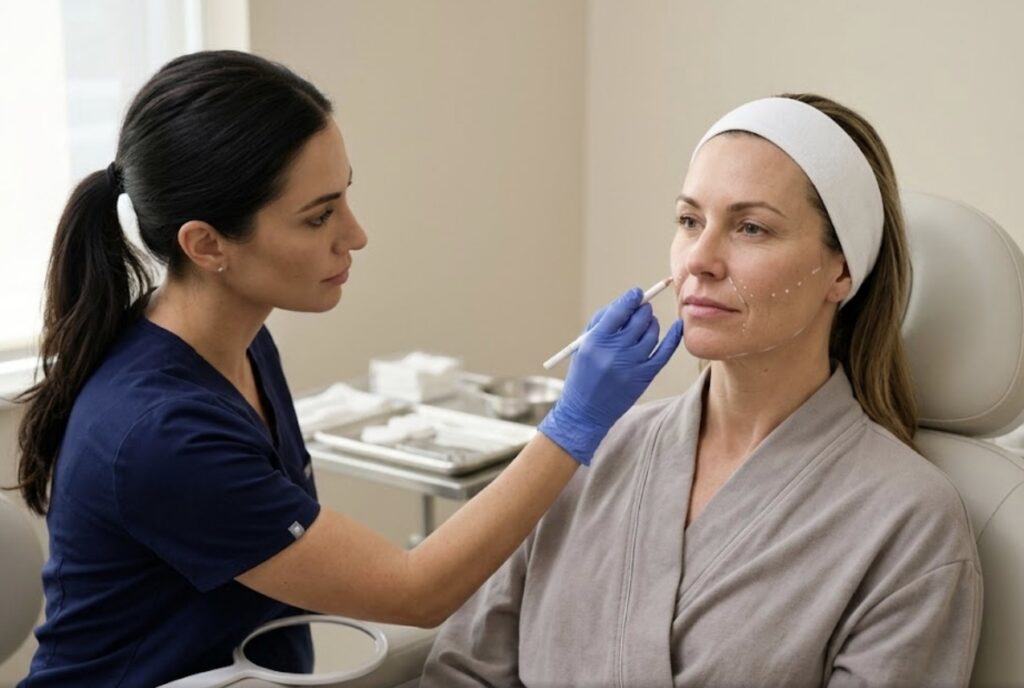
Before treatment, the skin is cleaned, and the provider may mark specific injection points. A topical numbing product may be used, and some fillers contain lidocaine.
The injector may use a needle, a cannula, or both. Small amounts of product are placed at selected depths while the provider checks shape, balance, and movement.
Treatment time varies by area and plan. Discomfort also varies, so no provider should describe every filler appointment as painless.
Immediately After Treatment
Common short-term reactions can include:
- Swelling
- Redness
- Bruising
- Tenderness
- Firmness
- Temporary unevenness caused by swelling
Follow the instructions given by your injector. Aftercare may vary depending on the product, treatment area, and your medical history.
The first look in the mirror is not always the final result, which is why timing and maintenance expectations deserve a separate discussion.
Dermal Filler Results and Longevity

Some improvement in volume or contour may be visible immediately. Swelling can temporarily make the treated area appear fuller or less even during the first several days.
How long a filler lasts depends on:
- The filler material and formulation
- The treatment area
- Facial movement
- The amount injected
- Placement depth
- Individual metabolism
- Tissue characteristics
Filler around the mouth may break down differently from product placed in the cheek or chin. Results, therefore, vary by person, even when the same product and amount are used.
Most dermal fillers are temporary. Maintenance may be considered when the effect begins to fade, but treatment should follow reassessment rather than a fixed calendar.
A gradual approach often works well for clients who want a polished result without a sudden change. Your provider can add more later when appropriate, but removing an unsuitable product can be more complicated.
Realistic expectations also include understanding the possible side effects and knowing when to contact the practice.
Dermal Filler Side Effects and Safety
A dermal filler injection is a medical procedure. Common reactions are usually temporary, but uncommon complications can be serious.
Common Temporary Reactions
After treatment, you may experience:
- Swelling
- Redness
- Bruising
- Tenderness
- Itching
- Firmness
- Mild temporary asymmetry
These effects may improve within several days, although the timing varies by person and treatment area. Bruising or swelling can sometimes remain visible for longer.
Schedule treatment with enough time before a wedding, vacation, professional event, or family gathering. A last-minute appointment may not allow time for visible reactions to settle.
Less Common Complications
Possible complications include infection, nodules, delayed inflammation, allergic reactions, product migration, skin injury, and damage caused by reduced blood flow.
Vascular occlusion can occur if filler enters or compresses a blood vessel. Although uncommon, it may cause tissue injury or vision-related complications.
Contact your provider immediately if you notice unusual or worsening pain, pale or dusky skin, a spreading color change, visual symptoms, or rapidly increasing swelling.
Questions to Ask Your Injector
Before treatment, consider asking:
- Which product will be used?
- Is it appropriate for the proposed treatment area?
- Who will perform the injection?
- What experience does the injector have with facial anatomy?
- How does the practice manage complications?
- What aftercare and follow-up are included?
- Is the product sealed, properly labeled, and obtained through an authorized source?
Avoid purchasing filler online, receiving injections at unlicensed locations, or using needle-free filler devices. Safe treatment requires appropriate medical training, sterile technique, authentic products, and a plan for urgent care if needed.
With those safety points in mind, candidacy becomes a question of both medical suitability and personal goals.
Is Dermal Filler Right for You?
Dermal filler may be worth discussing if you want to:
- Restore selected areas of facial volume
- Refine lip shape or proportion
- Soften certain wrinkles or folds
- Improve cheek, chin, or jawline contour
- Make a gradual change without surgery
- Maintain a refreshed appearance over time
Another treatment may be more appropriate when the primary concern involves muscle activity, skin laxity, pigmentation, texture, or acne scarring.
Dysport may suit selected expression lines. Scarlet SRF, Agnes RF, LaseMD Ultra, chemical peels, facials, or threads may address other concerns. Some clients may benefit from a thoughtful combination, while others may need only one treatment.
Filler may need to be postponed when there is an active skin infection, inflammation, recent illness, certain dental work, medication concern, pregnancy, or breastfeeding. Medical history and individual risk factors must be reviewed before treatment.
A good consultation should leave you informed, not pressured. That standard is central to the way Inspire Med Spa approaches facial treatment planning.
Personalized Filler Care at Inspire Med Spa
Inspire Med Spa is led by Dr. Gisele Castelluber, MD, and her daughter, Christine Castelluber, APN. Their mother-and-daughter practice brings medical knowledge, warmth, and personal attention to each consultation.
The team values natural enhancements and treatment plans that respect your features. Instead of recommending the same injection pattern for every client, they consider your facial structure, skin quality, lifestyle, budget, and comfort with maintenance.
Inspire offers Versa and Radiesse alongside Dysport, threads, microneedling, laser services, facials, PRP treatments, and wellness support. This broader selection allows the conversation to begin with your concern rather than a predetermined procedure.
That personal approach also helps answer the practical questions clients commonly ask before scheduling.
Frequently Asked Questions About Dermal Fillers
1. What type of dermal filler lasts the longest?
There is no single longest-lasting filler for every person or facial area. Longevity depends on the material, formulation, treatment location, movement, metabolism, and amount injected.
A longer duration does not automatically make a product a better choice. Safety, tissue behavior, and the desired result also matter.
2. How much does one syringe of dermal filler cost in Lyndhurst?
Pricing depends on the chosen product, treatment area, required amount, and the complexity of the plan. Contact Inspire Med Spa for current pricing after your provider evaluates your goals.
One syringe may suit a small, focused treatment, but it may not be appropriate for a broader facial volume plan.
3. Is Versa the same as Radiesse?
No. Versa is a hyaluronic acid filler. Radiesse is a calcium hydroxylapatite filler.
They differ in texture, tissue behavior, potential uses, and reversibility. The provider should choose the product according to your anatomy and treatment goals.
4. How long do swelling and bruising last after dermal filler injections?
Swelling, redness, tenderness, and bruising vary in severity. Some reactions improve within a few days, while others may remain visible for a week or longer.
Follow your provider’s aftercare instructions and contact the practice if symptoms worsen or seem unusual.
5. Can dermal fillers look natural?
Dermal fillers may look natural when the injector selects an appropriate product, uses a measured amount, and places it with respect for your anatomy.
No provider can guarantee an exact result. A clear consultation helps ensure that your injector understands how much change you want and which features you want to preserve.
Schedule Your Dermal Filler Consultation in Lyndhurst
Dermal fillers are not a standard treatment that looks the same on every face. Hyaluronic acid fillers, such as Versa, and calcium hydroxylapatite fillers, such as Radiesse, have different qualities and potential uses.
The right plan considers your anatomy, facial volume, skin quality, medical history, budget, and preferred degree of change. It should also include a clear discussion of recovery, limitations, possible complications, and other treatment options.
At Inspire Med Spa, we focus on helping you look refreshed while preserving the features that make you recognizable. Schedule a consultation at our Lyndhurst, NJ practice to discuss your concerns and create a personalized treatment plan that feels comfortable, thoughtful, and true to you.